




5 WAYS THAT AI CAN HELP HUMANIZE MUSEUMS
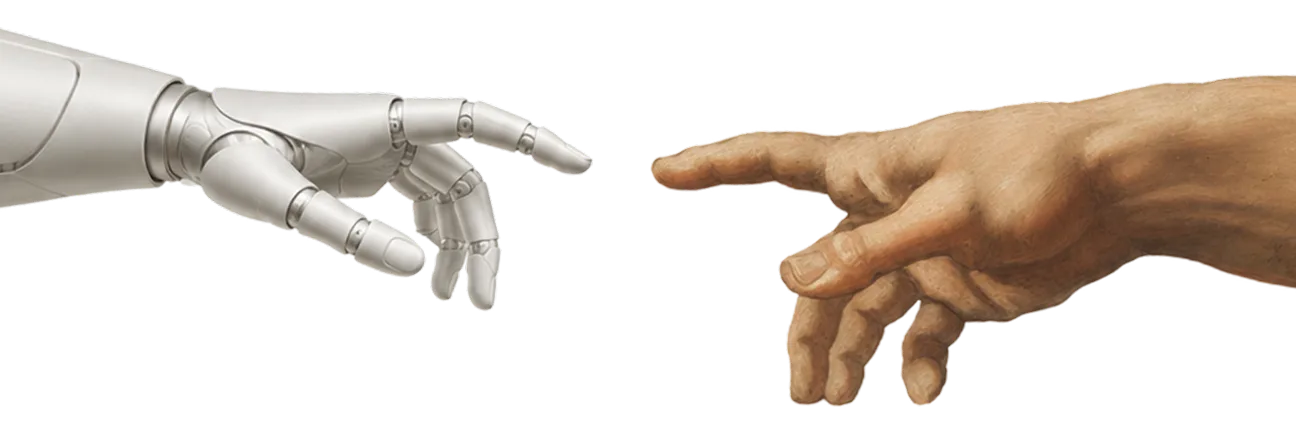
In museums and the art world, the topic of artificial intelligence is often met with resistance. There are reasons for museums and museum-workers to proceed slowly and carefully with AI. But AI is also unavoidable, and museums need to explore ways to balance its risks with its benefits. Our latest Case Study in Innovation shares detailed examples of art museums using AI to enhance their missions and operations.
Remuseum announces The Vanguard, an award and accelerator for innovative leaders in the visual and performing arts, in partnership with the Doris Duke Foundation. The Vanguard’s $100,000 annual award will recognize up to ten leaders who are exploring new ways to strengthen arts institutions, and a year-long accelerator will help them refine, implement, and evaluate their ideas. The first award and accelerator of its kind, The Vanguard celebrates leaders who are ready to center the public in their work in new ways, building models for increased relevance and sustainability in the arts.
THE VANGUARD OPEN CALL IS NOW CLOSED

With the goal of increasing the shared understanding of available research studies on the art museum sector, the Remuseum Research Guide is a compilation of publicly-available reports and research, organized into five major categories:
- Public participation and perspective on the arts
- Art museum visitors
- Artists, collections, buildings & exhibitions
- Art museum staff, directors & trustees
- Operations, finances & institutional policy

At a time when most art museums need to attract and retain more visitors, our research has found that museums invest in marketing at a very low level (on par with that of the mining industry, and even lower than other nonprofit arts institutions).
In our third installment of the Case Studies in Innovation series, we focus on Marketing, sharing research on art museum marketing budgets, together with insights on cultural marketing and examples of innovations in targeted marketing and psychographic profiles by real museums.

Permanent collections represent the most important resource of most art museums, and there are many reasons to continue adding to them. But the constant growth of collections that are expensively stored (and rarely seen) also represent a rising cost, both to the museum and to the public.
“More Art for More People in More Places” documents the growth (and growing cost) of museum collections and then shares case studies from more than a dozen American museums that are thinking differently about how to acquire, own, share, and care for art in a way that serves both the public and the museum.
Remuseum Quick Facts
Museum data can be hard to find. We originate and curate relevant data from credible sources to increase availability and transparency.


WHAT IS REMUSEUM?
Remuseum is a museum think tank seeking to promote innovation among art museums across the United States. Remuseum does this work through research, convenings, and catalytic support for innovators among museum leaders (directors, educators, curators, and trustees). With a focus on relevance, governance, and financial sustainability, Remuseum supports new ways for museums to sustain and fulfill their missions, almost all of which are now centered on the public.
Remuseum was inspired and originally funded by entrepreneur and philanthropist David Booth together with support from Alice Walton and Crystal Bridges Museum of American Art, where it remains closely affiliated. Remuseum has received additional support from the Ford Foundation and the Draper Richards Kaplan Foundation.
In 2026, Remuseum launched The Vanguard, a $100,000 award and 12-month accelerator for innovative leaders in the visual and performing arts. The Vanguard is supported by the Doris Duke Foundation, David Booth, the Alice L. Walton Foundation, the Draper Richards Kaplan Foundation, the Arison Arts Foundation, Pilot House Philanthropy, Amy and David Abrams, the Hill Art Foundation, and the Jasteka Foundation.
Remuseum is led by entrepreneur and innovative museum director Stephen Reily.
More Information >>